Cornish Gallery Exhibition Guide: Exploring Art in Cornwall
Contents
The Cornish art scene is a vibrant tapestry woven from rich history and contemporary culture. This Cornish gallery exhibition guide delves into the region's artistic heritage and its modern expressions. From the historic Newlyn School of Art to contemporary coastal art, Cornwall's galleries offer a unique glimpse into the intersection of tradition and innovation. With its scenic landscapes and vibrant communities, Cornwall has long been a haven for artists seeking inspiration. The county's galleries not only showcase the work of local artists but also serve as cultural hubs where history and modernity coexist. Whether you are a seasoned art enthusiast or a casual visitor, exploring Cornwall's art scene offers an enriching experience that highlights the region's unique contributions to the world of art.
The Historical Roots of Cornish Art
Cornwall's artistic heritage is deeply rooted in its landscape and seascape. The Newlyn School of Art, founded in the late 19th century, is a pivotal part of this history. Artists in Newlyn focused on plein air painting, capturing the natural beauty of Cornwall's coast. Similarly, the St Ives Art Colony emerged as a hub for artists drawn by the area's unique light and scenery. These historic movements laid the foundation for the region's continuing influence on British art. For instance, artists like Stanhope Forbes and his wife Elizabeth Forbes were instrumental in establishing the Newlyn School, producing works that highlighted the daily lives of Cornish fishermen and their families. Their legacy continues to inspire artists today, who seek to capture the essence of Cornish life through their art.
Contemporary Culture in Cornwall
Today, Cornwall's art scene is a dynamic blend of history and modernity. Local artists draw inspiration from the rugged coastline and vibrant communities, creating works that reflect both tradition and contemporary life. From abstract expressions to contemporary ceramics, the region's art galleries showcase a diverse range of styles and mediums. An example of this is the work of ceramic artist Jack Doherty, whose pieces explore the relationship between form, surface, and the natural environment. His work is exhibited alongside other contemporary artists at venues like the Leach Pottery in St Ives, where traditional techniques meet modern interpretations.
Visiting Cornish Art Galleries
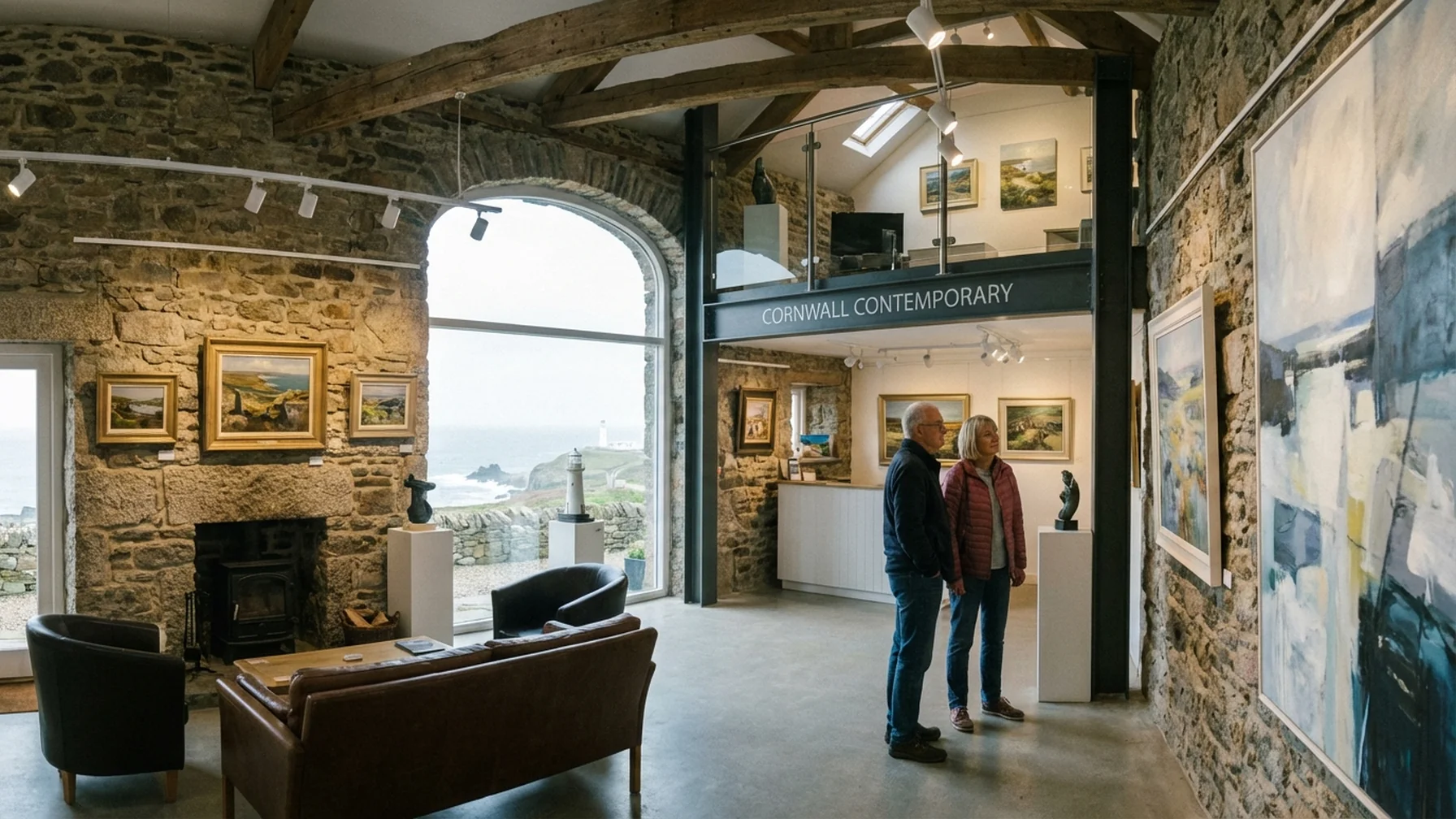
Exploring art galleries in Cornwall offers a journey through both time and style. Penzance art galleries, for instance, present a mix of modern art and traditional crafts. Visitors can find exhibitions featuring contemporary Cornish ceramics alongside historic landscape paintings. In St Ives, galleries often highlight the legacy of the art colony while embracing new artistic voices. The Tate St Ives is a prime example, providing a space where the works of renowned artists like Barbara Hepworth are displayed next to emerging talents who continue to push artistic boundaries.
Profiles of Local Cornish Artists
Cornwall hosts a rich community of artists whose works are inspired by local culture and natural beauty. Emerging artists in Cornwall often explore themes of coastal life and environmental change, while established figures continue to innovate within traditional forms. Notable artists from the region have gained national and international recognition, contributing to Cornwall's reputation as a cultural hotspot. For instance, Kurt Jackson, a well-respected contemporary artist, is known for his expressive paintings of the Cornish landscape that often incorporate elements of poetry and natural materials, offering viewers a unique perspective on the natural world.
Cornish Landscape Painters and Coastal Art
The dramatic landscapes of Cornwall have long inspired landscape painters. Artists continue to capture the essence of the coast through various styles, from realistic depictions to abstract interpretations. Coastal art remains a staple of the Cornish art scene, with many artists participating in art festivals and exhibitions throughout the year. Consider the work of landscape artist Peter Lanyon, whose abstract representations of the Cornish landscape have left a lasting impact on the art world. His innovative approach to depicting the land and sea challenges conventional perspectives and invites viewers to engage with the environment in new ways.
Art Festivals and Cultural Events in Cornwall
Cornwall's art festivals are key highlights of the cultural calendar. These events offer opportunities to engage with local and international artists, view new works, and participate in workshops. Art festivals in Cornwall celebrate the region's artistic diversity, promoting both traditional crafts and contemporary innovations. The St Ives September Festival, for example, brings together artists, musicians, and performers from around the world, transforming the town into a vibrant hub of creativity and cultural exchange.
Buying Local Cornish Art
For those looking to own a piece of Cornwall's artistic legacy, local galleries offer a range of artworks for sale. From paintings and sculptures to ceramics and crafts, buying local art supports the region's artists and keeps the cultural economy thriving. Art collectors can find unique pieces that reflect Cornwall's distinct aesthetic. The New Craftsman Gallery in St Ives is one such venue where collectors can discover a variety of artworks that capture the spirit of Cornwall, offering everything from contemporary jewelry to traditional pottery.
Exploring Art Workshops and Community Engagement
Art workshops in Cornwall provide hands-on experiences for both residents and visitors. These workshops cover a variety of disciplines, from coastal plein air painting to traditional Cornish crafts. They offer an opportunity to learn from local artists and engage with the artistic community, fostering a deeper appreciation for the region's creative landscape. Organizations like the Newlyn Art Gallery and The Exchange offer programs that encourage participants to explore their creativity while gaining insight into Cornwall's rich artistic heritage.
The Future of Art in Cornwall
The future of Cornish art continues to evolve, shaped by both historical influences and contemporary trends. As new artists emerge and established figures push boundaries, Cornwall's art scene remains a dynamic and integral part of regional and national culture. With its blend of history and innovation, Cornwall promises to remain a vibrant center for artistic expression. One forward-looking initiative is the SPACE program, which provides affordable studio spaces for artists, supporting the next generation of creatives in Cornwall and ensuring the region's art scene continues to thrive.
Comparison of Key Cornish Art Galleries
To help art enthusiasts make the most of their visit, here's a comparison of some notable Cornish art galleries, highlighting their unique offerings and focus areas.
| Gallery | Specialty | Notable Artists | Visiting Highlights |
|---|---|---|---|
| Tate St Ives | Modern and contemporary art | Barbara Hepworth, Ben Nicholson | Seaside views, innovative exhibitions |
| Newlyn Art Gallery | Contemporary works | Local emerging artists | Changing exhibitions, art workshops |
| Penlee House Gallery | Victorian and contemporary art | Newlyn School artists | Historical context, local heritage |
| Leach Pottery | Ceramics | Bernard Leach, Shoji Hamada | Pottery demonstrations, studio tours |
| The Exchange | Modern art and installations | Various contemporary artists | Interactive displays, community events |
Each gallery provides a distinct experience that reflects Cornwall's rich artistic tapestry. Whether you're interested in traditional paintings or cutting-edge installations, these galleries offer something for every art lover.
Common Mistakes When Visiting Cornish Art Galleries
While exploring Cornwall's art scene, visitors sometimes make a few common mistakes. One is underestimating the time needed to fully explore larger galleries like Tate St Ives, which can take several hours to fully appreciate. Another mistake is not checking the schedule for special exhibitions or events, which can significantly enhance the visit. Additionally, some visitors may overlook smaller, lesser-known galleries that offer unique local insights. To avoid these pitfalls, plan your visit by allocating enough time for each gallery, checking their websites for current exhibitions, and considering guided tours for a more comprehensive experience.