The History and Influence of the St Ives Art Colony
Contents
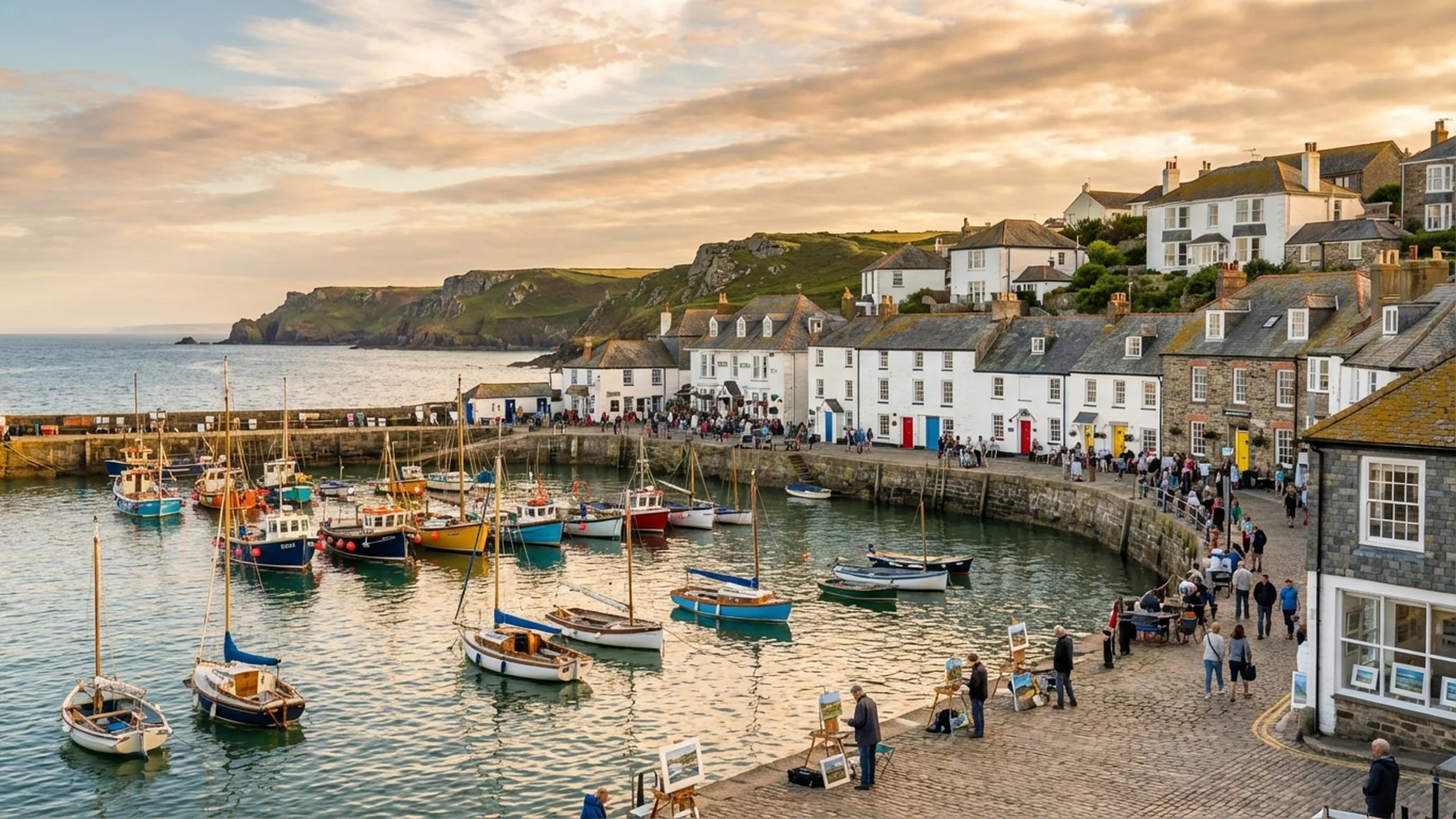
The St Ives Art Colony is a cornerstone of Cornish art history, renowned for its unique blend of local inspiration and international acclaim. Nestled on the coast of Cornwall, St Ives has long been a hub for artists drawn to its stunning landscapes and vibrant cultural scene. This article delves into the history of the St Ives Art Colony, exploring its roots, impact, and continuing influence on contemporary culture in Cornwall.
The Beginnings of the St Ives Art Colony
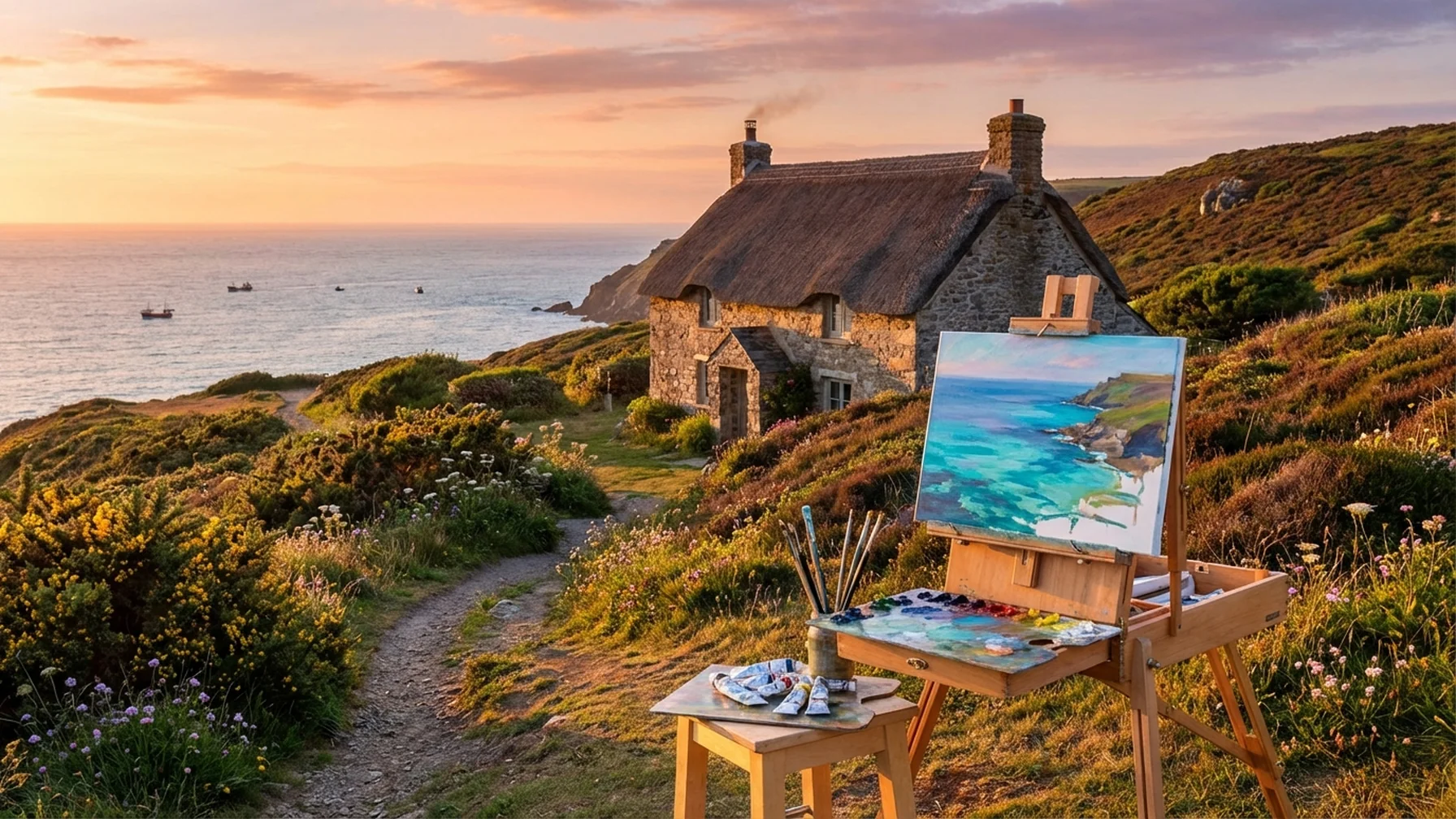
The history of the St Ives Art Colony dates back to the late 19th century. Artists were initially attracted to the area by its picturesque scenery and the quality of light, which was ideal for plein air painting. Among the first to settle were painters like James Whistler and Walter Sickert, who were part of a larger movement that included the Newlyn School of Art nearby.
The Newlyn School, another prominent Cornish art community, played a significant role in shaping the early days of the St Ives Art Colony. Artists from both schools frequently interacted, sharing techniques and ideas that contributed to Cornwall’s burgeoning art scene.
The following table highlights key milestones in the history of the St Ives Art Colony, showcasing its evolution over the years and its impact on the art world.
| Year | Event |
|---|---|
| 1920 | Formation of the St Ives Art Colony |
| 1928 | Opening of the first art exhibition in St Ives |
| 1950s | Emergence of artists like Barbara Hepworth and Ben Nicholson |
| 1960 | St Ives recognized as a major center for modern art |
| 2000s | Continued legacy with numerous galleries and art events |
This table illustrates the significant events that have shaped the St Ives Art Colony, reflecting its rich history and contribution to the art scene in the 20th century and beyond. Each milestone not only signifies an achievement for local artists but also marks the colony's influence on broader artistic movements.
The history of the St Ives art colony is marked by several significant milestones that shape its unique identity. Here are the key steps in the development of this renowned artistic community.
- Establishment of the Colony: The St Ives art colony began in the early 20th century, drawing artists to the picturesque fishing village.
- Influence of Modernism: During the 1920s and 1930s, modernist movements influenced local artists, leading to the adoption of new techniques and styles.
- Post-War Growth: After World War II, the colony expanded, attracting notable figures such as Barbara Hepworth and Ben Nicholson, further establishing St Ives as a center for modern art.
These steps highlight the evolution of the St Ives art colony, illustrating its transformation into a vibrant hub for artists that continues to inspire creativity and innovation today.
Key Figures and Movements
St Ives has been home to many famous artists who have left a lasting mark on the art colony. Alfred Wallis, an untrained painter, brought a raw and authentic view of Cornwall's seascapes and fishing communities. His work inspired many and became a significant part of St Ives' artistic identity.
In the mid-20th century, the movement gained momentum with artists like Ben Nicholson, Barbara Hepworth, and Naum Gabo joining the colony. Their abstract works helped cement St Ives as a crucial site for modern art. The presence of the Tate St Ives gallery continues to highlight the town's historical and contemporary significance in the art world.
Contemporary Culture in Cornwall
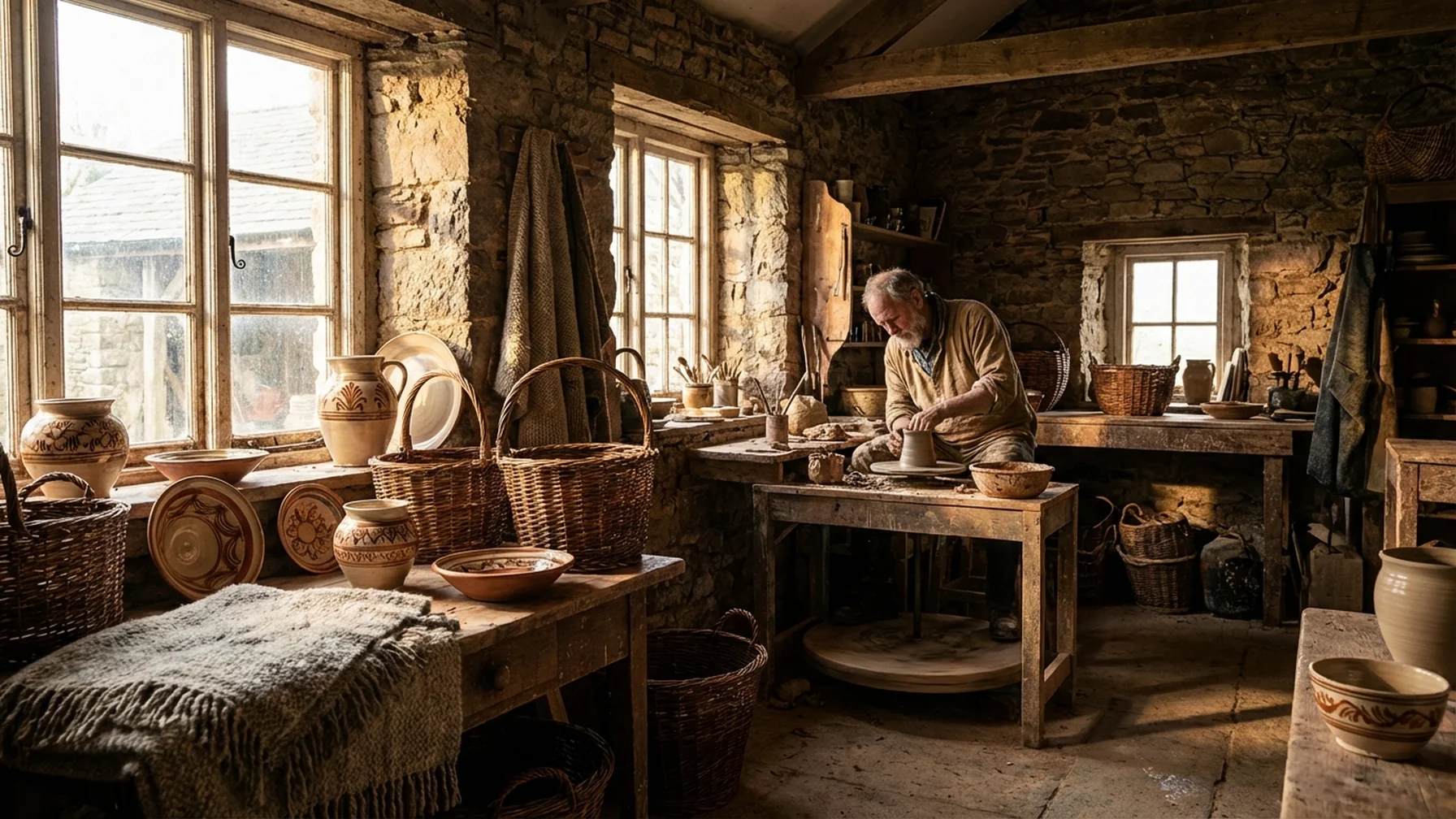
Today, the influence of the St Ives Art Colony extends beyond painting. The region is known for its thriving contemporary art scene, including ceramics, sculpture, and more. Local artists continue to draw inspiration from Cornwall's landscapes and traditions, contributing to a dynamic and evolving cultural tapestry.
The Cornwall Contemporary Gallery and various exhibitions provide platforms for both established and emerging artists, showcasing a diverse range of works that reflect the region's artistic heritage and its modern interpretations.
Visiting Cornish Art Galleries
Cornwall is dotted with art galleries that celebrate both historical and contemporary art. Visiting these galleries offers a unique glimpse into the region's artistic evolution. The Penlee House Gallery & Museum in Penzance, for example, focuses on works by the Newlyn School and other historic Cornish artists.
Meanwhile, the Newlyn Art Gallery and The Exchange in Penzance host exhibitions that explore modern and contemporary British regional art, ensuring a balanced representation of Cornwall’s artistic legacy and its future.
Art Festivals and Cultural Events
Art festivals in Cornwall, such as the St Ives September Festival, provide vibrant platforms for artists to exhibit their work and for visitors to immerse themselves in the local culture. These events often feature workshops, talks, and performances that highlight traditional Cornish crafts alongside contemporary practices.
- St Ives September Festival: A two-week celebration of art and culture.
- Open Studios Cornwall: An opportunity to visit artists in their creative spaces.
- Falmouth Art Gallery exhibitions: Showcasing both historical and modern works.
These festivals and events are not only crucial for sustaining the local art scene but also for attracting international attention, bringing a global audience to Cornwall’s artistic treasures.
Legacy and Influence
The legacy of the St Ives Art Colony is evident in the ongoing vibrancy of Cornwall's art scene. From coastal plein air painting to abstract art, the region’s artists continue to push boundaries while staying rooted in the rich history that defines Cornish art. The colony's influence is seen in the work of modern artists who draw on the past to create innovative pieces that captivate audiences worldwide.
In essence, the St Ives Art Colony is more than a historical footnote; it is a living, breathing testament to the power of place, community, and creativity in shaping artistic movements that resonate far beyond their origins.