The Newlyn School of Art: A Pivotal Chapter in Cornish Art
Contents
The Newlyn schoolhouse of Art holds a important place in the story of Cornish art. Established in the belated 19th century, this art settlement attracted artist to Cornwall 's stunning landscapes and classifiable visible light. Look, the Newlyn schoolhouse of Art chronicle is interwoven with the broader story of Cornish art, giving insight into regional art exhibitions and the progression of modern-day culture in Cornwall.
The egress of the Newlyn School of Art
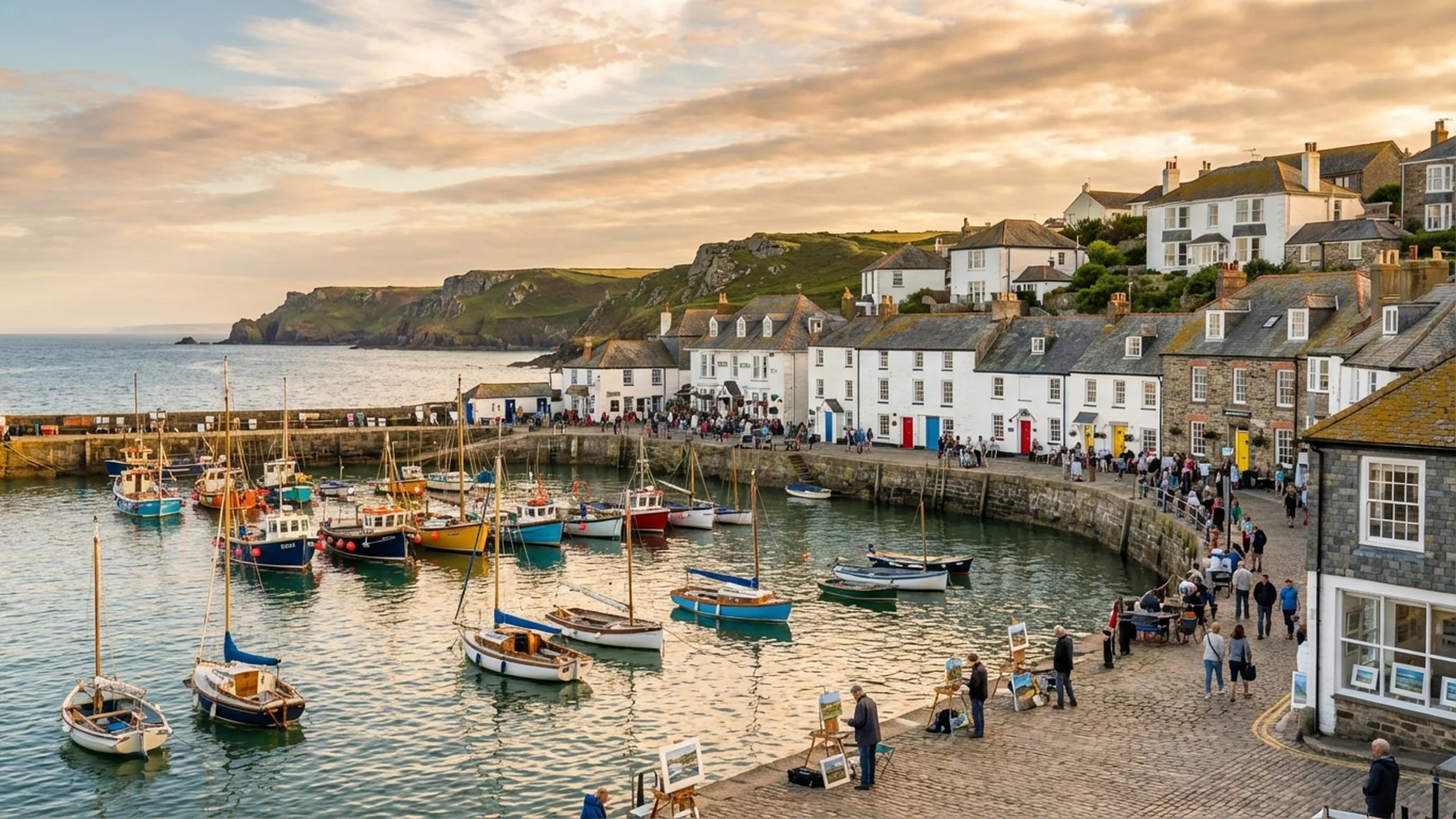
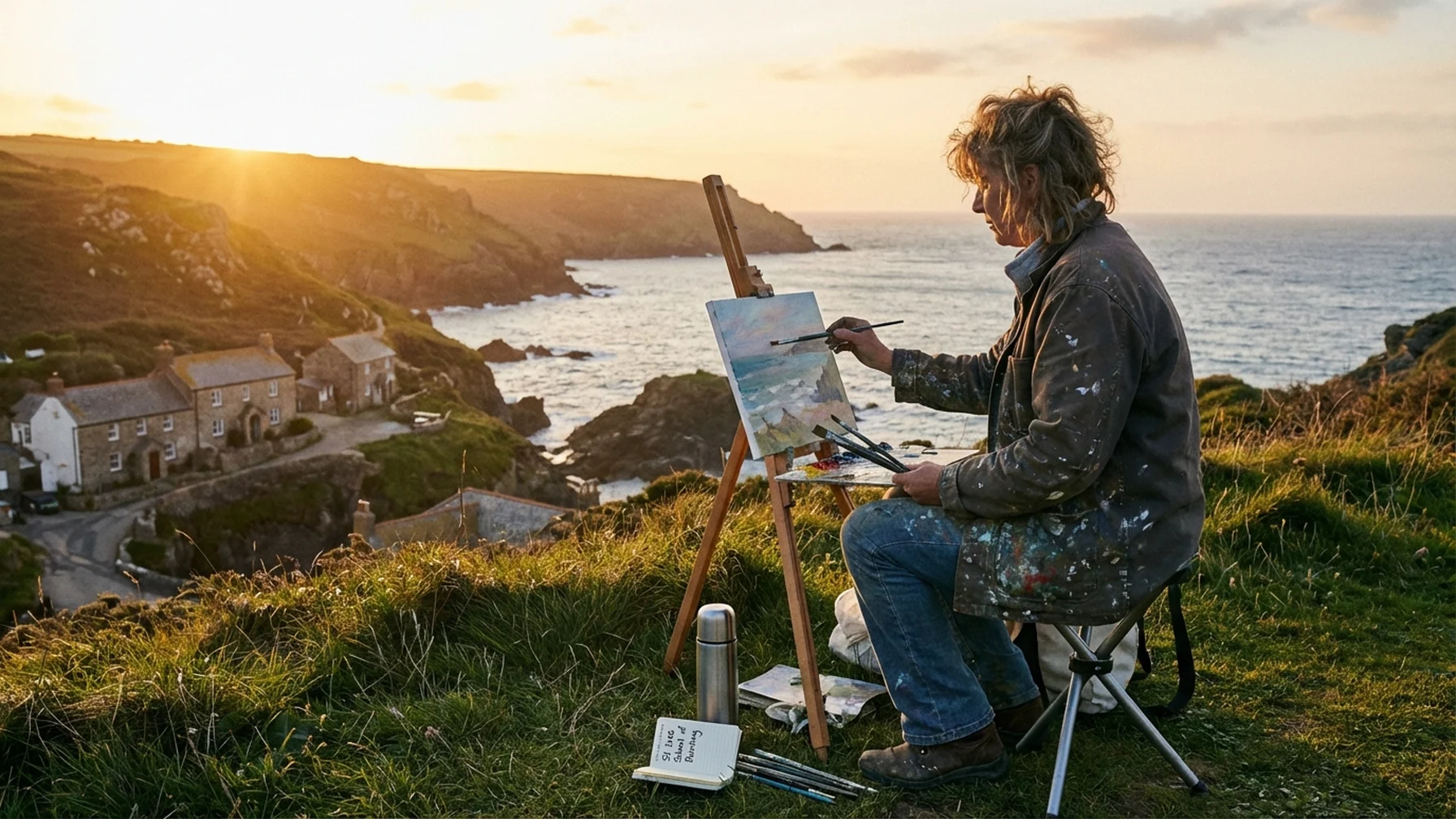
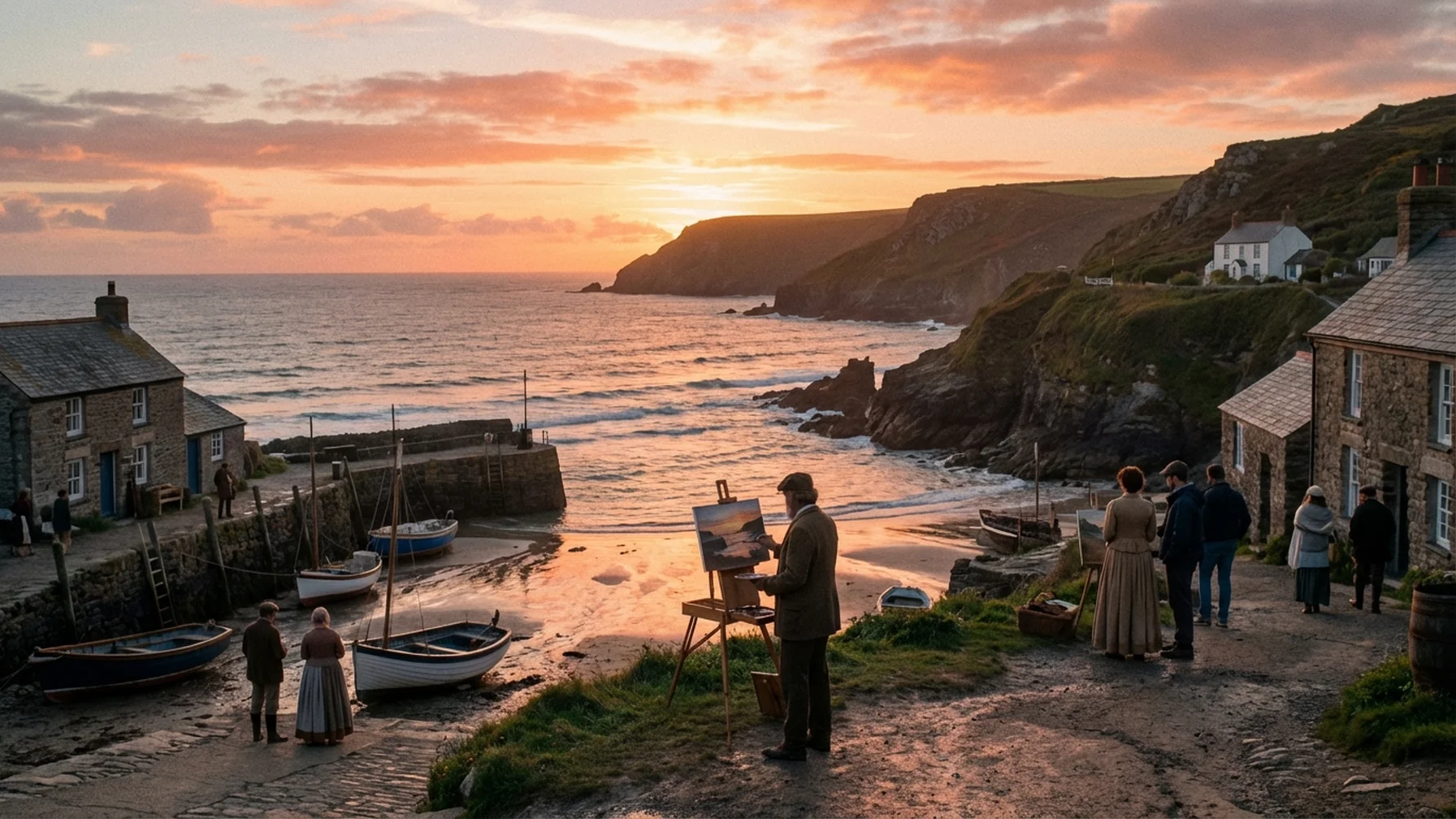
The Newlyn schoolhouse of Art emerged in the quaint fishing village of Newlyn, near Penzance. Artist ilk Stanhope Forbes and Walter Langley were drawn to the area 's picturesque coastal scenery and began settling there. Clearly, this group of artist laid the groundwork for an influential art movement know for plein air painting, which involves creating art outdoors to capture natural light source and landscapes.
Newlyn artist focused on everyday life themes, inspired by rural Cornwall 's charm and its people. Also, their plant oft portrayed fishermen, farmers, and the rugged coastline, reflecting the simplicity and beauty of Cornish life. This coming enrich the regional art scene and contributed significantly to the wide British art narrative.
Influence of the St Ives Art Colony
While the Newlyn schoolhouse was cognise for realism, the St Ives Art Colony introduced abstraction and modernism. And here's the thing: the interaction between these two colonies fostered a dynamical exchange of ideas, creating a vibrant art scene in Cornwall. Basically, artists such as Barbara Hepworth and Ben Nicholson, central soma in St Ives, pushed traditional art boundaries and continue to inspire modern-day coastal art.
Below is a table contrasting the Newlyn School and the St Ives Art settlement:
Key Differences Between Newlyn School and St Ives Art Colony:
| Aspect | Newlyn School | St Ives Art Colony |
|---|---|---|
| Art Style | Realism | Abstraction and Modernism |
| Key Figures | Stanhope Forbes, Walter Langley | Barbara Hepworth, Ben Nicholson |
| Influence | Detail-oriented technique | Experimental approaches |
This contrast in artistic direction enriched Cornwall 's ethnic tapestry, making it a beacon for artists and art partizan worldwide.
Key Artists and Their Contributions
The Newlyn schoolhouse of Art featured several influential artist whose plant remain celebrated. Key figures ilk Stanhope Forbes and Elizabeth Forbes played crucial roles. Their paintings much captured the local landscape and people in a way that emphasized natural light and authentic depiction.
Here are some notable artist and their plant:
- Stanhope Forbes - `` The Fish Sale ''
- Walter Langley - `` The Last In ''
- Elizabeth Forbes - `` The Net Mender ''
- Albert Chevallier Tayler - `` Returning place ''
These artists ' contributions helped define the Newlyn School, capturing the essence of life in Cornwall during the late 19th and early 20th centuries.
Understanding the Newlyn School of Art History
To explore the Newlyn School of Art, really, history, one can follow a structured approach to appreciate its significance and impact:
- Research the historical context of the Newlyn School and its emergence in the tardy 19th century.
- Identify key artist associated with the movement, such as Stanhope Forbes and Elizabeth Forbes.
- Analyze the distinctive characteristics of their artwork, including the use of cancel light and local anesthetic landscapes.
Following these steps provides a detailed understanding of the Newlyn schoolhouse of Art and its contribution to British art and culture.
Visiting Art Galleries in Cornwall
Cornwall is home to several art veranda that celebrate its rich artistic inheritance. Penzance galleries, in particular, offer insights into both historic and modern-day Cornish art. Visitors can experience exhibition featuring local anaesthetic artist, including established names and emerging talents.
Noteworthy galleries include:
- Newlyn Art Gallery: Showcasing contemporary visual arts.
- Tate St Ives: abode to Bodoni and abstract art exhibitions.
- Penlee House Gallery & Museum: focus on the Newlyn School and historical Cornish artists.
These veranda not only display artworks but also host events and workshop that engage the local community and visitant alike, devising them essential stops for discernment Cornwall ’ s cultural and artistic evolution.
The Vibrant Contemporary Cornish Art Scene
Today, Cornwall 's art scene is a blend of traditional influences and Bodoni expressions. Here's the deal, while experimenting with new techniques, artist proceed to draw inspiration from Cornwall 's stunning landscape. The area 's art museum exposition often feature historic pieces alongside modern-day works, creating a dialogue between different art periods.
Purchasing local anesthetic Cornish art supports the community and allows one to own a piece of its ethnical heritage. Honestly, whether it 's a landscape painting, a ceramic piece, or an abstract sculpture, each graphics embodies Cornwall 's artistic spirit.
Cornish Art Festivals and ethnic Events
Cornwall is known for its lively art festivals and cultural case, which offer opportunities to immerse in the local art scene. Think about it this way: importantly, event like the St Ives September Festival and the Cornwall Ceramics & Glass Fair celebrate the region 's artistic diversity, offering platforms for both established and emerge artists.
These festivals highlight traditional Cornish crafts and embrace modern art forms, devising them a must-visit for art enthusiasts. They allow participants to experience the dynamic intersection of yesteryear and present in Cornish art.
Cornwall 's Lasting Artistic Legacy
The Newlyn schoolhouse of Art chronicle underscores Cornwall 's enduring appeal as an artistic haven. Indeed, its legacy, aboard the St Ives Art Colony, continues to shape the region 's ethnical landscape. Engaging with Cornish art through verandah, workshops, and festival offers a unique window into the region 's past and present. Generally, as Cornwall 's art scene evolves, it remains a vital part of both regional and national cultural narratives.