Cornish Art History Timeline: A Journey Through Time and Tide
Contents
Exploring the rich people tapestry of Cornish art chronicle reveals a vivacious portmanteau word of tradition, invention, and coastal brainchild. Cornwall, with its dramatic landscapes and unique light, has long been a muse for artist. This timeline highlights key moments and motility in Cornish art, from the historic Newlyn School of Art to modern-day coastal creations. Basically, cornish art offer a window into the region 's cultural development, reflect the changing tides of style and manifestation. Here's why this matters: delving into the chronicle of Cornish art isn't just a study of past achievements but an exploration of on-going originative endeavors. Each era brought its unique flair, helping to shape what we now observe as Cornish art. Clearly, the travel through this timeline offer insights into the enduring relationship between artists and the Cornish landscape.
The Birth of the Newlyn School of Art
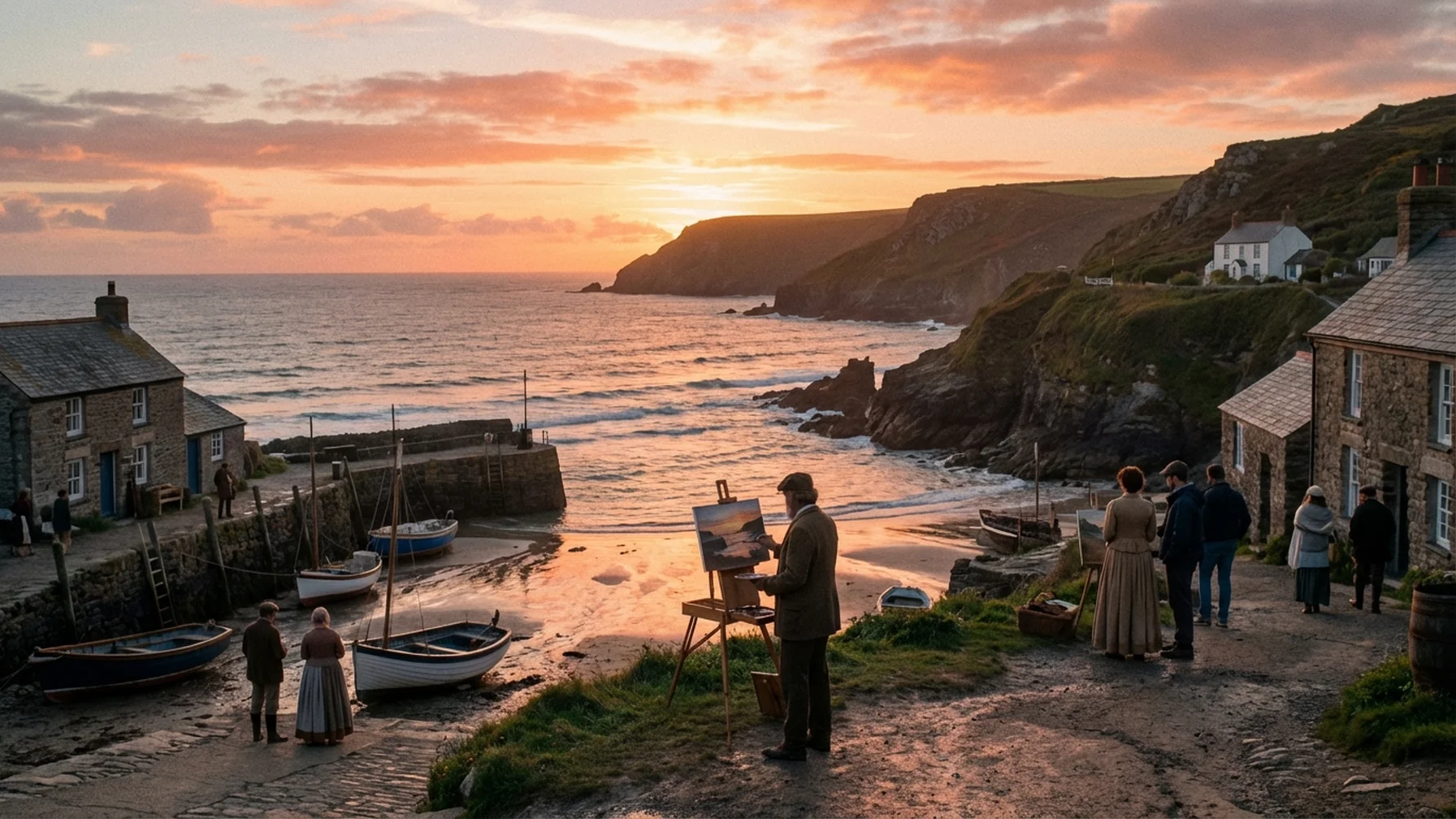
In the late 19th century, the Newlyn schoolhouse of Art emerged as a pivotal movement in Cornish art chronicle. This group of artist, drawn by the picturesque scenery and the quality of light source, settled in Newlyn, a small fishing village. They captured the essence of rural life and the local community, often, quite, picture en plein air to convey the cancel beauty of the Cornish coast. Truth is, notable figures such as Stanhope Forbes and Walter Langley led this motility, which laid the groundwork for Cornwall 's artistic reputation. The reality is: frankly, the Newlyn School 's impact reached beyond local anaesthetic boundary, influencing artists across Britain with its fresh perspective on realness and everyday scenes.
For example, Walter Langley 's painting `` Amongst the Missing '' poignantly depicted the lives of fishermen 's families, showcasing both artistry and social commentary. Here's the bottom line: this approach helped to build a tradition of narrative art that continues to influence Cornish artists today.
St Ives: A Hub for Artistic Innovation
As the 20th century unfolded, St Ives became synonymous with artistic experimentation. The truth is: obviously, the St Ives Art Colony attracted avant-garde artist who were keen to push the boundaries of traditional art forms. Interestingly, this vibrant community included renowned artists ilk Barbara Hepworth and, pretty much, Ben Nicholson, who infused modernity into the Cornish art scene. Here's the deal, their influence transformed St Ives into a global center for modern-day art. The Hepworth Museum and carving Garden now stands as proof of the lasting wallop of these pioneers, basically, offering visitor a glimpse into the innovative spirit that characterized St Ives.
Barbara Hepworth 's synopsis sculptures, such as `` Oval develop ( Trezion ), '' challenged conventional aesthetics and demonstrated the interplay between form and space. This legacy of innovation proceed to attract artists seeking inspiration from St Ives ' alone environment.
Contemporary Coastal Art and Ceramics
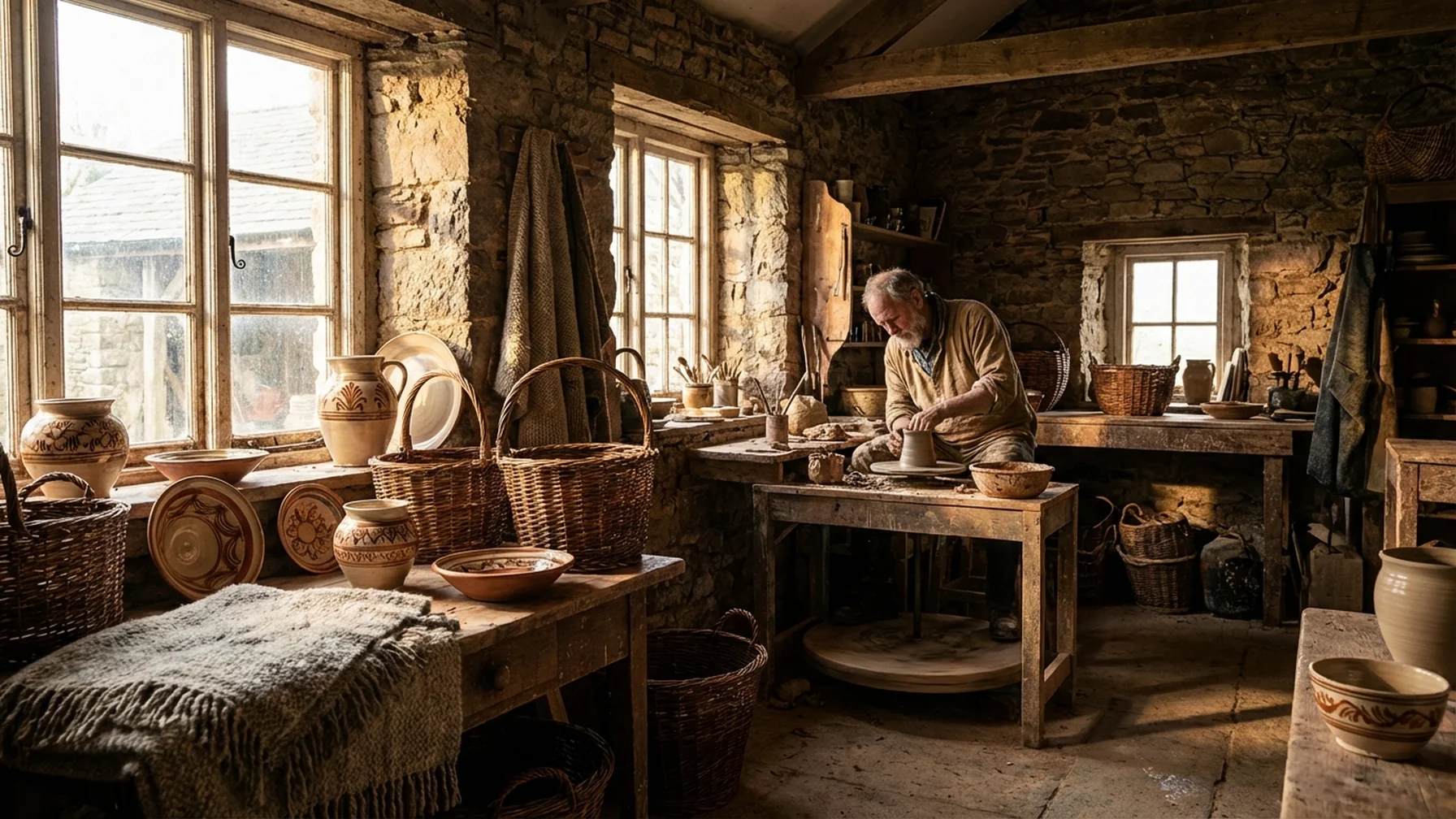
Today, Cornwall proceed to inspire modern-day artist who draw on the region 's coastal beauty. Modern Cornish art often blends traditional proficiency with abstract and conceptual styles. Contemporary Cornish ceramic, for example, reflect both the natural environment and inventive design. These ceramic have become staples in exhibition crosswise regional galleries.
- Use of local anesthetic materials like clay and seaweed
- Incorporation of coastal textures and forms
- Focus on sustainability and environmental themes
Artists ilk Adam Buick create ceramics that echo the texture and form of the coastline, expressing a deep connexion between the artist and the Cornish landscape. Generally, in exhibitions, contemporary artist frequently investigate topic of environmental conservation and natural beauty, reflecting societal, kind of, concerns and personal narratives.
This blend of tradition and modernity ensures that Cornish art remains relevant and thought-provoking. The reality is: here are some ways these topic are explored:
- Highlighting the impact of environmental changes on the coast
- Celebrating the natural knockout of the Cornish landscape
- Engaging audiences with interactive and immersive installations
Notable milepost in Cornish Art
This timeline highlights considerable milestones in the history of Cornish art, tracing its development from early influences to contemporary movements. Each step illustrates the phylogenesis of artistic expression in Cornwall.
| Era | Milestone |
|---|---|
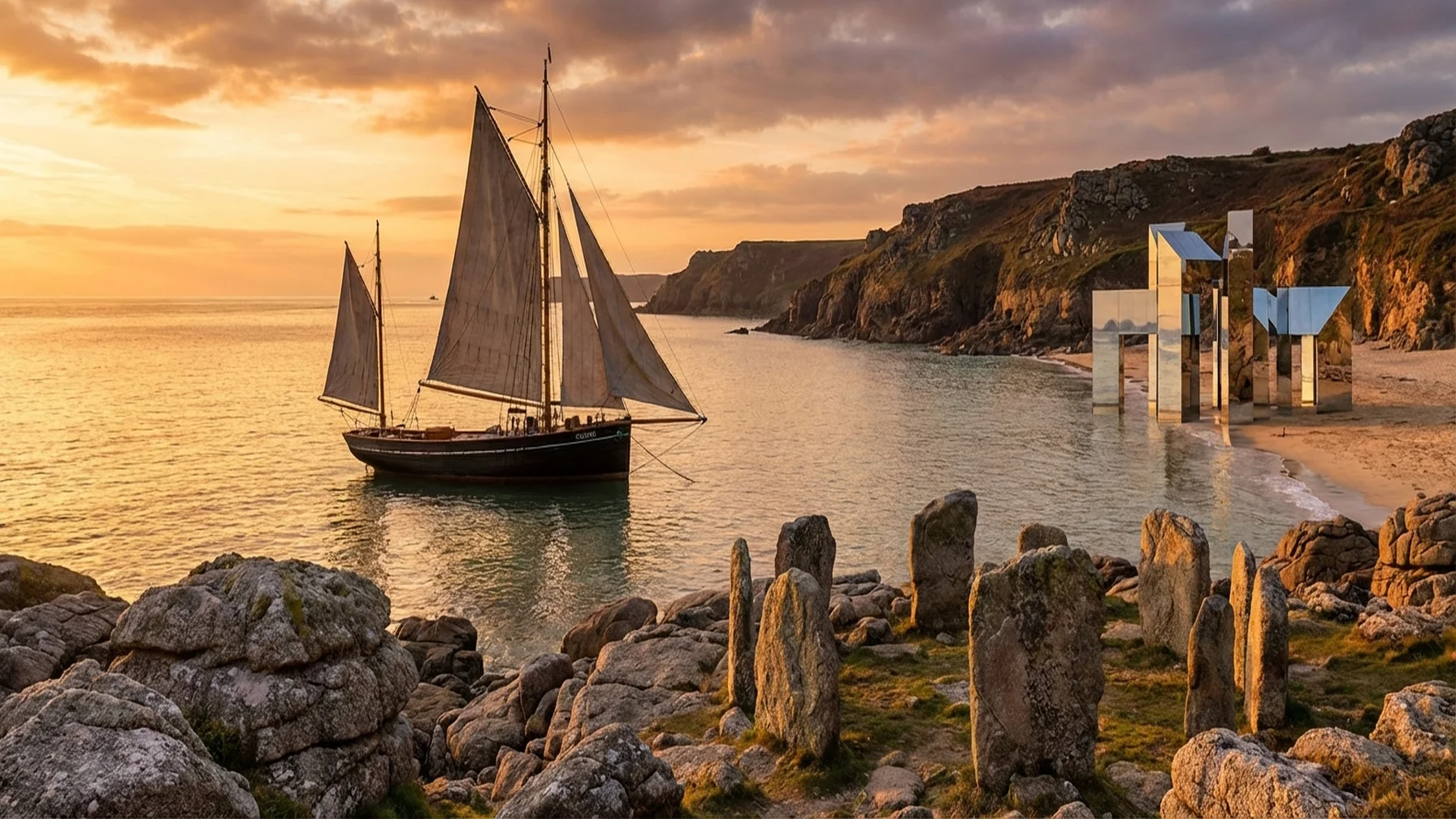
| Prehistoric | The emergence of rock carvings and megalithic structures in ancient Cornwall ( circa 4000 BC ) |
| Medieval | Development of Christian iconography and stained glass in topical anesthetic churches |
| 19th Century | The rise of the Newlyn schoolhouse, focusing on realism and local landscapes |
| 20th Century | The wallop of modernism and the establishment of various art movements in the region |
| Contemporary | The flourishing of diverse artistic practices, including installation and digital art, driving Cornish art into the 21st century |
This timeline serves as a foundation for understanding how the rich people cultural inheritance and surroundings of Cornwall have shaped its prowess across centuries, chew over both local anesthetic identity and broader artistic trends.
Visiting Cornish Art gallery and Exhibitions
For art enthusiasts, visiting Cornish art verandah offer a chance to experience both historical and modern art forms. Penzance art galleries showcase a range of plant from classic landscape paintings to modern installations. But here's what's interesting: what's more, local anaesthetic exposition often high spot issue artist, render a platform for new voices in the Cornish art scene. Plus, the Penlee House Gallery & Museum, for example, offer a rich collection of works from the Newlyn School and beyond, allowing visitor to trace the evolution of Cornish art.
These gallery not only display artwork but also host workshop and talks, fostering an interactional and educational environment. Engaging with topical anesthetic art provides a deeper appreciation of Cornwall 's ethnical heritage and its on-going artistic journey.
Profiles, quite, of Local Cornish Artists
Cornwall is home to a thriving community of artist who draw inspiration from their surroundings. These artists often explore themes of nature, identity, and tradition through diverse mediums, include painting, sculpture, and mixed media. The thing is, their work is celebrated in local anesthetic, quite, exhibition and contributes to the dynamical contemporary culture in Cornwall. Artist ilk Kurt Jackson, known for his expressive landscape, continue to capture the raw beauty of Cornwall 's cancel environment.
Jackson 's commitment to environmental theme, much picture on location, underscores the deep connection between creative person and landscape. Look, his piece of work exemplifies the ongoing custom of Cornish artist who use their craft to comment on and celebrate their surroundings.
Art Festivals and ethnic Events in Cornwall
Cornwall hosts a variety of art festivals and cultural case that observe its rich people artistic heritage. These event provide opportunity for artist to vitrine their work and for visitors to engage with the local anesthetic art scene. Notably, from sculpture exhibitions to art workshops, I mean, these gatherings highlight the part 's creative spirit and community involvement. The St Ives September Festival, for instance, offers a different program of music, theatre, and art, drawing participants from around the world.
Such event not only promote local gift but too foster a sense of community and ethnical exchange. Let me put it this way: of course, they serve as a reminder of the vivacious and inclusive nature of Cornwall 's art scene, where custom and excogitation coexist harmoniously.
The futurity of Cornish Art
As Cornwall go along to evolve, so does its art scene. Emerging artists are redefining what it means to form in Cornwall, blending traditional influences with modern techniques. Think about it this way: the future of Cornish art looks bright, with a continued loyalty to invention and a trench appreciation for the part 's natural and cultural inheritance. Initiatives like the Tate St Ives creative person Residency programme nurture new talent, providing resources and opportunities for artists to experiment and grow.
In this ever-adapting landscape, Cornish art remains a dynamic and integral part of the region 's individuality, constantly reshaping itself to meditate modern-day theme while honoring its rich account.